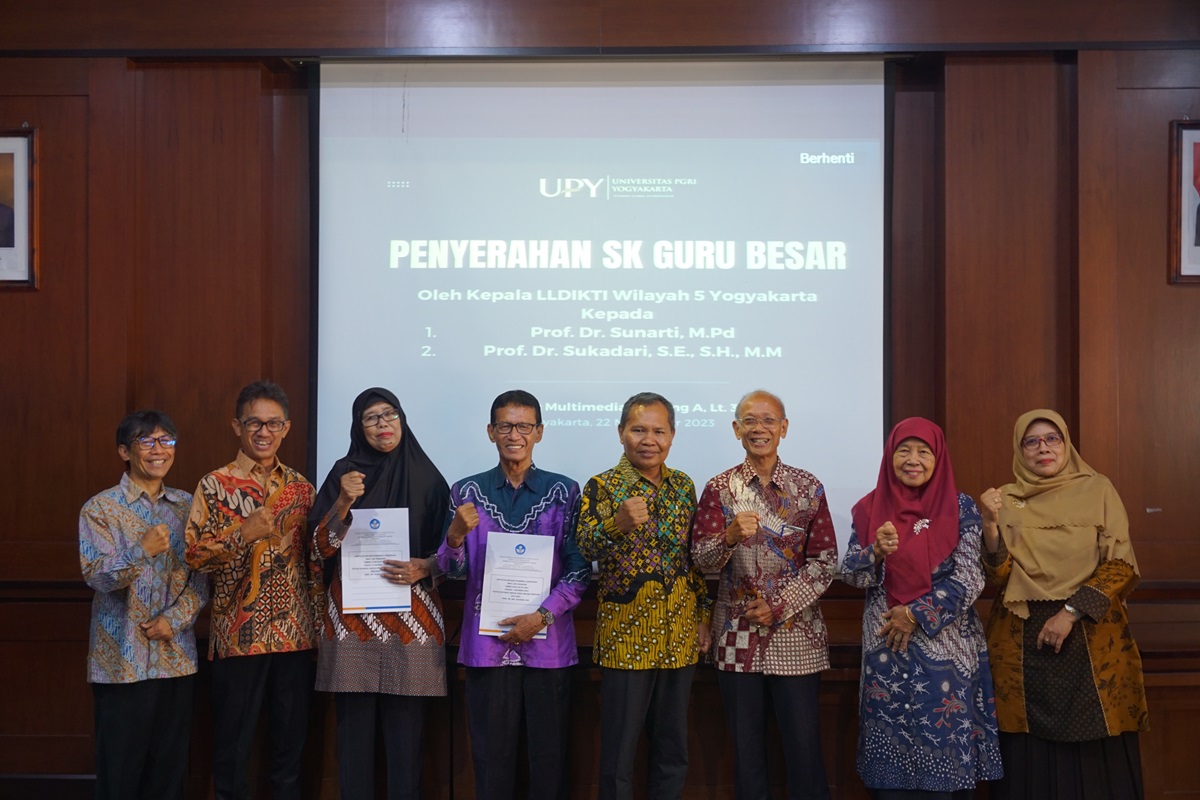
PGRI Yogyakarta University (UPY) succeeded in producing 2 Professors/Professors in the field of education. The handover of the Professor’s Decree was carried out on Wednesday, November 22 2023 at the Multimedia Room on the 3rd floor of building A, PGRI University Yogyakarta to Prof. Dr. Sunarti, M.Pd and Prof. Dr. Sukadari, M.M. who is a Professor produced by the Social Sciences Masters Study Program. The granting of the Professorial Decree was handed over directly by the Head of LLDIKTI Wil. V Prof. Dr. drh. Aris Junaidi, PhD. The success of obtaining a Professorship cannot be separated from the role of the Chancellor and his staff who continue to invite all lecturers to continue to improve their positions through the Professorship acceleration program that has been carried out so far. In his speech, the Chancellor stated that at UPY, all lecturers are expected to continue to improve their positions. This means that if a lecturer becomes an Expert Assistant, he must immediately become a Lector, then an Associate Professor, and finally a Professor, because the institution will provide assistance with the Professor’s acceleration program. What was conveyed by the Chancellor of UPY was agreed with by the Head of LLDIKTI because at UPY, according to him, there were already several that had reached the Principal Professor, so it was hoped that Prof. Dr. Sunarti, M.Pd and Prof. Dr. Sukadari, MM.
The following is the Announcement of Undergraduate & Postgraduate Graduation for Period 2 of the 2023/2024 academic year at PGRI Yogyakarta University. For complete details, please download here
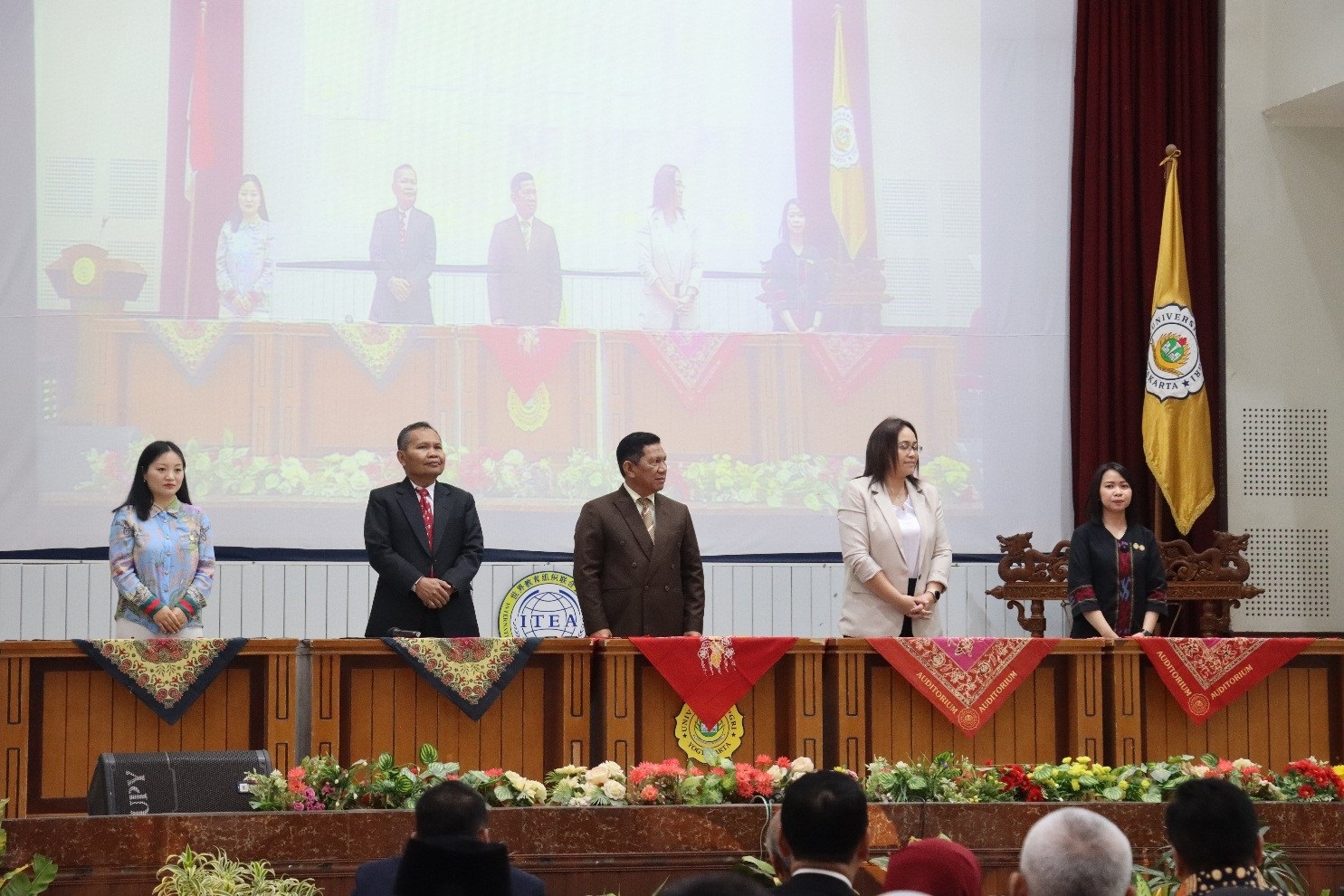
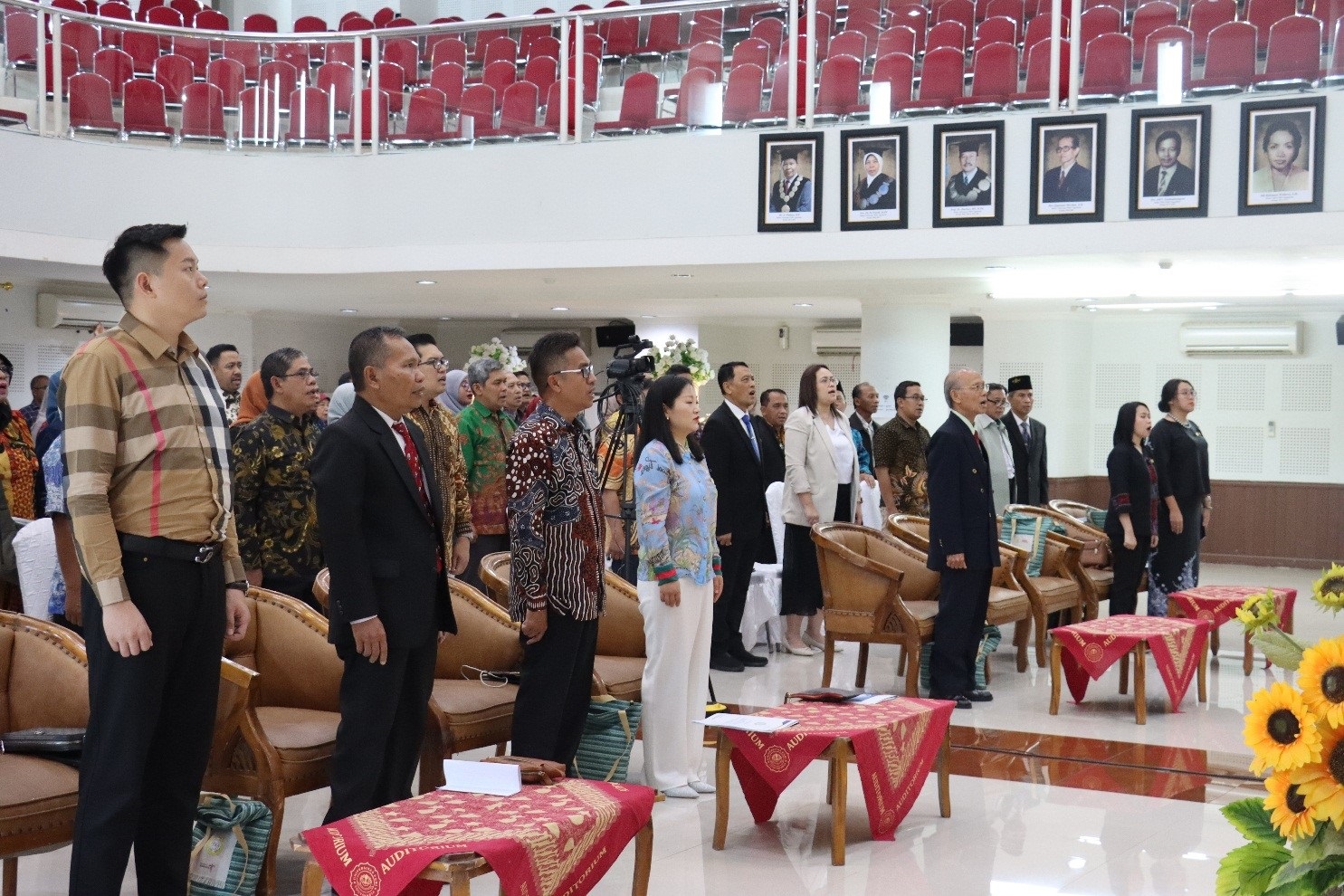
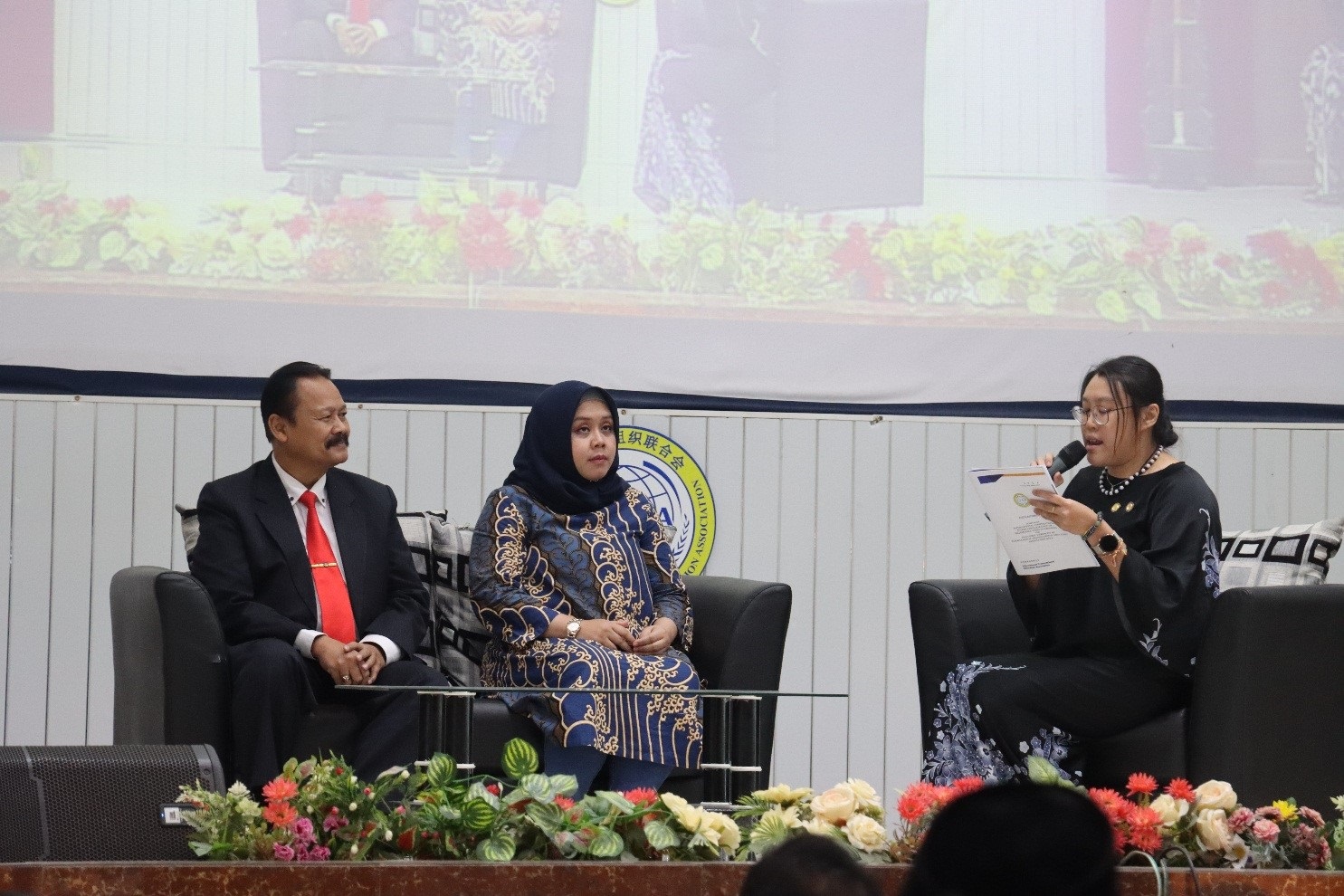
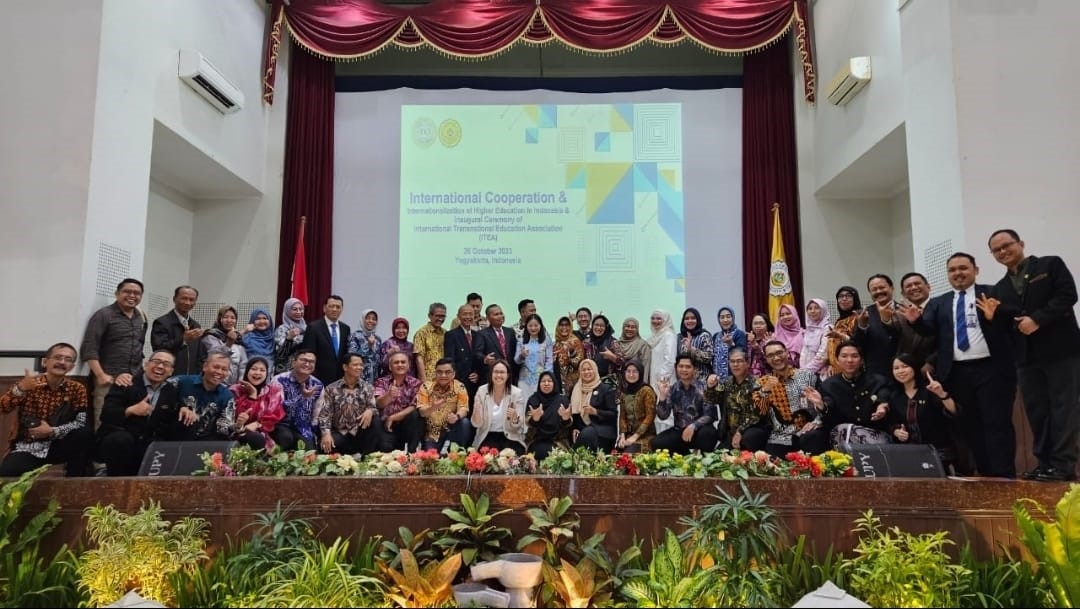
Universitas PGRI Yogyakarta (UPY) shows a strong commitment to playing an active role in developing Indonesia’s human resources, especially in the education sector. In order to make this happen, UPY has collaborated with the International Transnational Education Association (ITEA). ITEA is a platform for higher education exchange between countries around the world. The collaboration between UPY and ITEA was realized by holding an International Seminar with the theme ” Seminar on International Cooperation & Internationalization of Higher Education in Indonesia and Inaugural Ceremony of the International Transnational Education Association (ITEA)”, and launching ITEA on October 26 2023 at the UPY Auditorium. This event received wide support from various parties, including the Ministry of Education of the Republic of Indonesia, ITEA, ICCCM (International Cultural Communication Center Malaysia), the local Education Service, Sierra Leone Local Content Agency, and the Association of Informatics and Computer Science Universities (APTIKOM).
This international seminar presented a number of prominent speakers, such as Prof. Muhammad Nuh (Honorary President of ITEA), Nicy Bai (Chair of ICCCM from China), Loo Hui Ann (Executive Director of ICCCM Malaysia), Dr. Gibril JAW-NAQAA, UPY Chancellor Dr. Ir. Paiman, MP, Prof. drh. Aris Junaidi, Ph.D (Head of LLDIKTI Region V), H. Abdul Halim Muslih (Regent of Bantul), Prof. Erri Julian T. Adesta (UIGM), Dr. Eva Handriyantini, S.Kom., M.MT (APTIKOM), Prof. Didik Sulistyanto (Borobudur University), Dr. Wahyudi (SEAMEO SEAMOLEC), and Dr. Siti Nuzulia (UNNES). This event was held offline at the UPY Auditorium which was attended by 120 campuses in Indonesia. There is a strong emphasis in the discussion of this international seminar on building international cooperation, especially the importance of preparing human resources so that they have the ability to collaborate and have a spirit of mutually beneficial cooperation, so that they can utilize globalization as a means to improve themselves and develop comprehensively.
Through this collaboration, UPY shows its strategic role in supporting the development of international standard education, by involving various leading parties from various countries. This event reflects UPY’s commitment to acting as an agent of change that advances Indonesian education and embraces various stakeholders.
On this occasion, it was followed by a Signing Ceremony conducted by Nicy Bai (Chair of ICCCM from China), Dr. Ir. Paiman, MP (UPY Chancellor), Prof. drh. Aris Junaidi, Ph.D (Head of LLDIKTI Region V), Dr. Eva Handriyantini, S.Kom., M.MT (APTIKOM), Dr. Wahyudi (SEAMEO SEAMOLEC), and Prof. Bambang (Borobudur University). This Signing Ceremony is an official form of starting international cooperation by confirming a joint commitment to achieving the goals set out in the agreement.
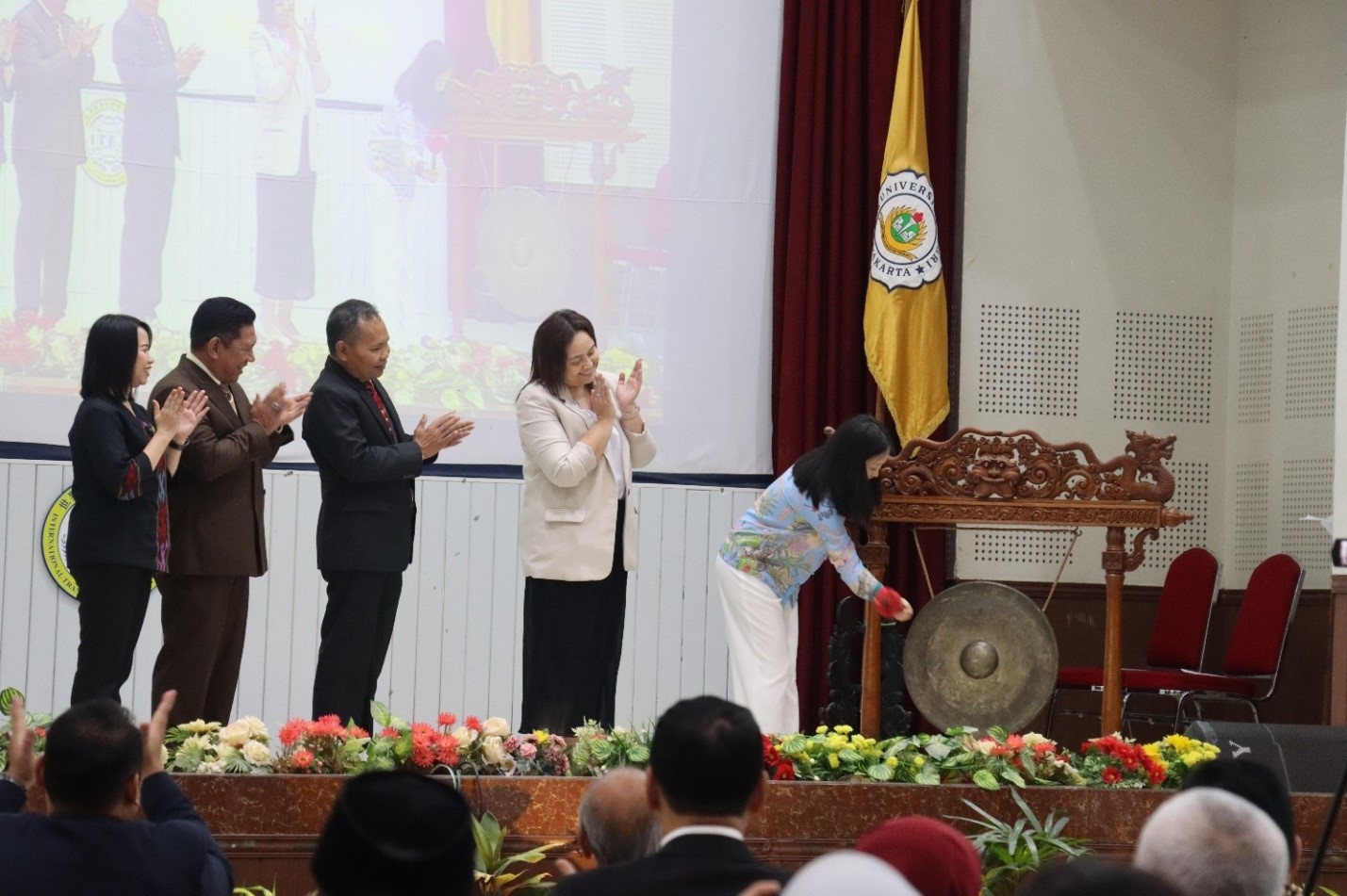
Apart from the International Seminar, the event also marked the opening of the ITEA office in Yogyakarta, Indonesia, which is located on UPY campus 4. This shows further commitment to supporting international cooperation in the fields of education and human development. Nicy Bai struck the gong five times to indicate the official opening of the ITEA office in Indonesia.
It is hoped that collaboration between universities and international organizations such as ITEA will be able to produce strong synergy in terms of education, research and academic development. Things like this can strengthen the university’s reputation, improve the quality of education, and prepare students in particular to face global challenges in the future.
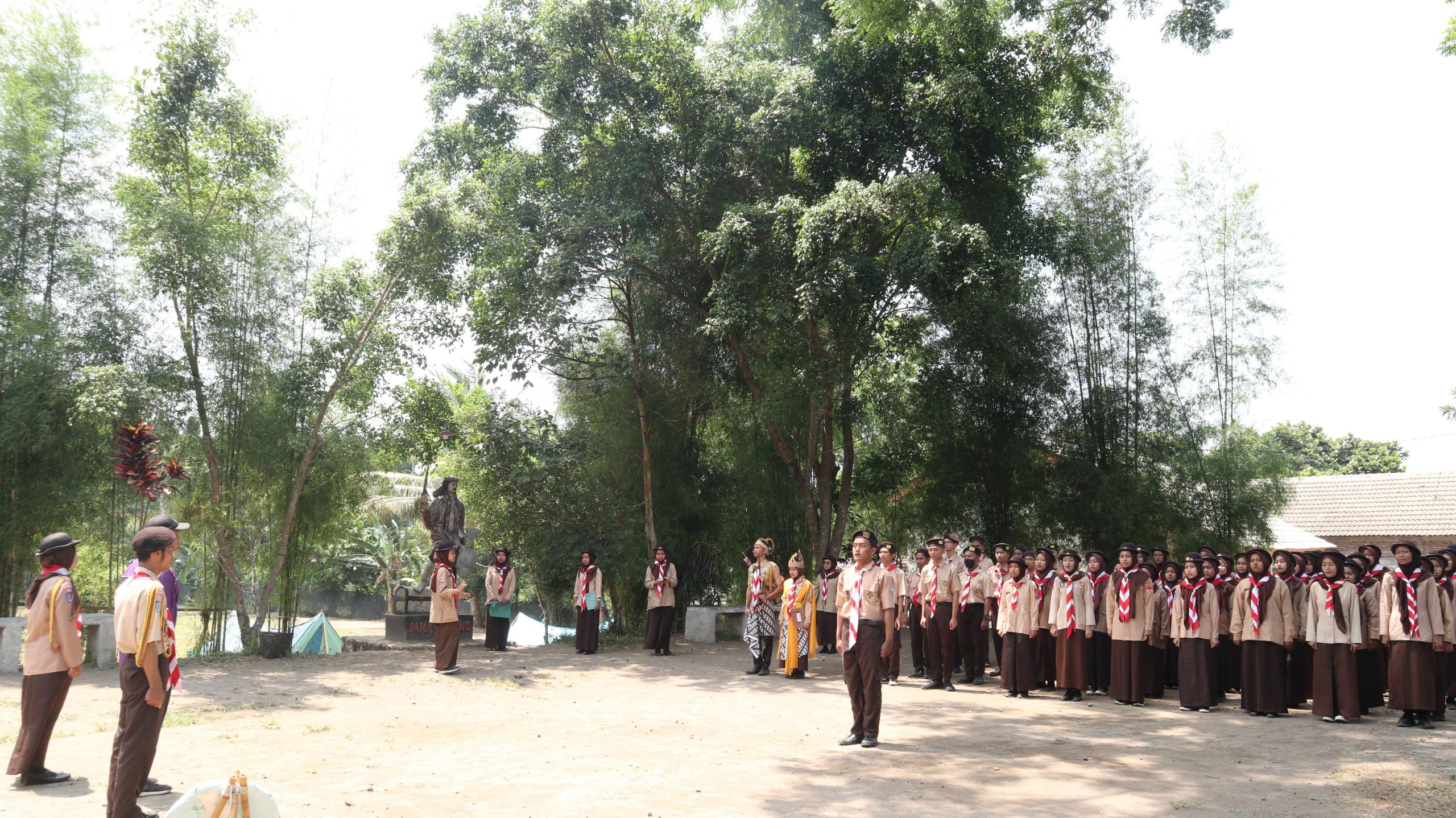
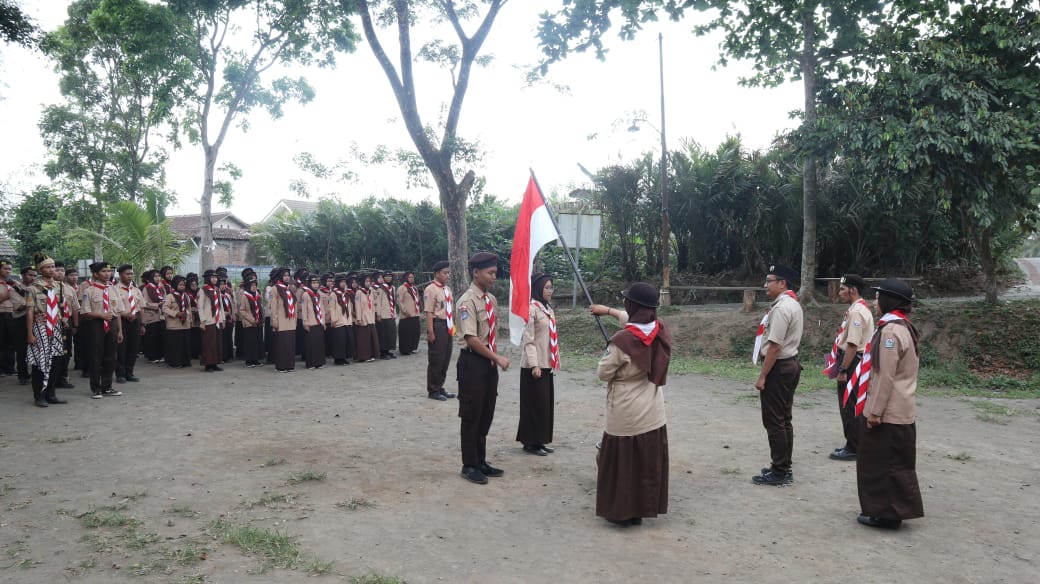
BANTUL — Racana Arjuna-Srikandi Front Group 03.069-03.070 PGRI Yogyakarta University Base has carried out the IXth Racana Scout Movement Values Basic Orientation and Guest Reception (ONDGP and PTR) activities on Saturday, 28 October 2023 to Sunday, 29 October 2023 .
ONDGP and PTR activities this time were carried out at the Jaka Garong Camping Ground, Garongan, Kembang Wong Kerto, Turi, Sleman, Special Region of Yogyakarta.
ONDGP and PTR are activities carried out routinely every year by Racana Arjuna-Srikandi with a series of opening ceremonies, presentation of materials, outbound, and closing ceremonies as well as the inauguration of Racana guests.
The activity was officially opened by Kak Ilham Fathurrahman as representative of the Arjuna-Srikandi Racana Trustees, Yogyakarta PGRI University on Saturday, 28 October 2023 at 09.00 WIB.
In his speech, Kak Ilham said that the ONDGP and PTR activities are activities that must be carried out by Prospective Racana Guests as a process for accepting Prospective Racana Guests to become Racana Guests at Arjuna-Srikandi University of PGRI Yogyakarta.
“The purpose of holding this activity is as a forum to introduce scouting activities to prospective Racana Arjuna-Srikandi Guests,” said Kak Ilham.
This ONDGP and PTR activity was attended by 49 participants who were mentally and spiritually healthy and were ready to be confirmed as Racana guests.
The activity of delivering material on Scouting in Higher Education, History of Racana, and Independence was carried out after the opening ceremony, namely at 13.00 WIB until finished.
The second day of ONDGP and PTR this time began with group gymnastics and outbound activities in the campground area until 13.00 WIB. The culmination of this activity was the Racana Guest Reception (PTR) through the Racana Guest Inauguration Ceremony procession by Ms. Aditya as the representative of Racana Arjuna-Srikandi Trustees, Universitas PGRI Yogyakarta and continued with the activity closing ceremony.
It is hoped that this activity will provide benefits, especially for Racana guests, opening relationships between Racana guests and the Racana council, exchanging experiences, knowledge and skills between fellow scouts.
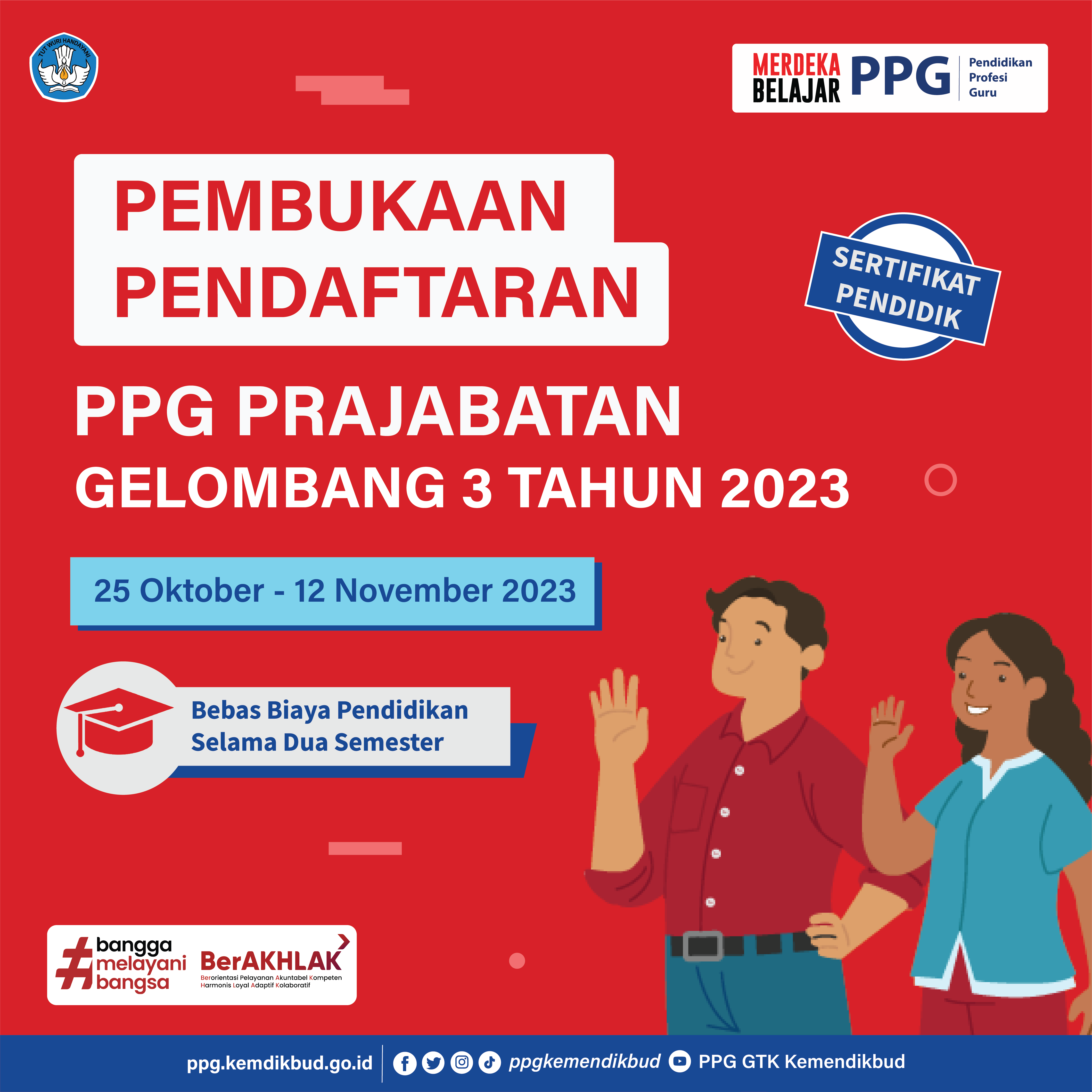
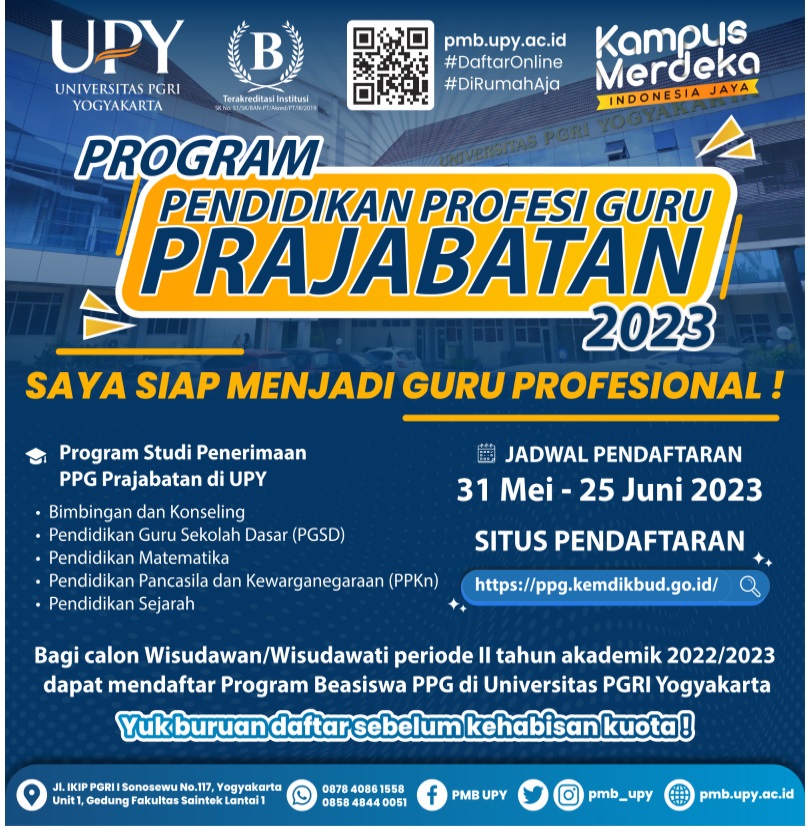
In order to accelerate the fulfillment of teacher needs in several fields of study at primary and secondary school levels, the Directorate General of Teachers and Education Personnel (Ditjen GTK), Ministry of Education, Culture, Research and Technology again invites the nation’s best sons/daughters who have interests, talents, and the soul’s calling to become a teacher to take part in the selection of prospective students for the Pre-Service Teacher Professional Education Program (PPG) Batch 3 in 2023.
Technological advances have changed many aspects of our lives, including the world of education. In this era, technology has played a significant role in improving the efficiency, accessibility and quality of education. New technological facilities and tools have made learning experiences more interactive, personalized and affordable for students around the world.
In this article, we will discuss the impact that technological advances have had on the world of education. Specifically, we will look at how the use of technology has changed the way we learn, increasing the accessibility of education, expanding learning opportunities, and optimizing evaluation and monitoring processes.
Use of Technology in Learning
Improved Interactive Learning ExperienceTechnological advances have encouraged the creation of learning experiences that are much more interactive and interesting. Through the use of technological devices such as computers, smartphones and tablets, students can now access diverse and innovative learning resources. Digital textbooks, interactive learning media, and virtual simulators are some examples of the use of technology that have changed the way students understand subject matter better.With the help of technology, teachers can use more interesting and interactive learning methods. Audio visuals, multimedia presentations and learning videos can increase students’ absorption capacity and enable them to learn concepts more visually and practically. In addition, technology has also provided online discussion spaces and collaborative platforms, facilitating interactions between students and teachers outside the physical classroom environment.
Wider AccessibilityIn this digital era, educational accessibility has increased significantly. Technology has opened doors for students who were previously limited by geography, distance, or physical limitations. With the internet, students can now access educational resources from all over the world. They can take online courses, join webinars, or participate in online discussions without having to leave home.For students who live in remote areas, technology becomes a “bridge” that connects them with quality teachers and learning materials. This makes education more inclusive and equitable, allowing students to have an equal opportunity to receive a quality education.
More Effective Evaluation and Monitoring
Learning and Evaluation SoftwareTechnology has made it easier to evaluate and monitor student progress. With learning and evaluation software, teachers can easily track student progress in terms of material understanding, test ability, and engagement in class. This data can be used to carry out necessary classroom interventions and design learning programs that are more tailored to student needs.The use of technology also allows for more objective and detailed measurements. Online tests can provide more accurate results and are directly integrated into the evaluation system. This helps teachers identify areas that need more attention and monitor individual student progress efficiently.
Optimizing Teacher-Student CollaborationIn the world of education, collaboration between teachers and students is very important. Technology has enriched the way we collaborate, allowing teachers and students to share ideas, communicate via email or instant messaging, and collaborate on creative projects virtually. This not only deepens students’ understanding but also helps in the development of their cooperative abilities and interpersonal skills.
Benefits of Technological Advances in Education
Throughout this article, we have seen how technological advances have changed the educational paradigm and had a significant impact. Here are some of the main benefits:
More interesting and interactive interactions and learning experiences.
Wider accessibility for students around the world.
Increased efficiency and quality of student evaluation and monitoring.
Expanding learning opportunities beyond the physical classroom.
Ease of collaboration between teachers and students.
Seeing the extraordinary impact of technological advances in education, we realize that the world of learning has undergone a significant transformation. The implications of technology not only change the way we learn and teach, but also bring countless new opportunities. While there are inherent benefits and risks in technology education, it needs to be recognized that technology is the key to opening the door to better and more relevant education.
At PGRI Yogyakarta University, we understand the importance of using technology wisely in education. We not only teach our students about technology, but also how to use it intelligently to improve the learning process. With an innovative and technology-based approach, teaching at Universitas PGRI Yogyakarta is not only interesting and interactive, but also inclusive, preparing students to face global challenges in this digital era.
So, if you want to be part of this educational revolution, if you want to open the door to a future full of opportunities and possibilities, Universitas PGRI Yogyakarta is the place. Join us, and together we will shape the future of education that is dynamic and competitive. Register now and start your journey to success with Universitas PGRI Yogyakarta. Your bright future starts here!
When talking about success in the world of work, not only academic knowledge is needed, but also “soft skills” abilities. Soft skills, such as effective communication, leadership, teamwork, and adaptability, are important aspects in building a successful career. For students, developing soft skills is not just about getting a degree, but also about improving interpersonal skills and skills that are highly sought after by employers. In this article, we will efficiently explain several practical ways to develop soft skills for students.
1. Actively Involved in Organizations and Extracurricular Activities
One of the most effective ways to develop soft skills is through active participation in organizations and extracurricular activities on campus. Joining a club, study group, or student sports team provides an opportunity to improve communication, teamwork, and leadership skills. It also opens the door to understanding the dynamics within the team and improving the ability to resolve conflict.
2. Take a Role in Collaborative Projects
Joining in collaborative projects, especially those involving multiple disciplines, allows students to broaden the scope of knowledge and deepen interpersonal skills. This kind of collaboration hones the ability to work in a team, plan projects together, and appreciate the contributions of different team members. It also introduces students to diverse points of view and approaches to solving problems.
3. Attend seminars, workshops and training
Participation in seminars, workshops, and training related to soft skills development is another efficient way to learn. These events not only provide new insights, but also opportunities to practice public speaking, interact with fellow attendees, and build a professional network. Good communication skills and the ability to understand another person’s point of view are essential in forming successful working relationships in the future.
Devoting oneself to social projects and community service helps strengthen the values of leadership and empathy. Directly engaging with the community hones empathy, perseverance, and problem-solving abilities. These projects allow students to experience the positive impact they are making, while gaining an appreciation and sense of responsibility towards society.
5. Practice Problem Solving Skills
Developing soft skills also involves the ability to solve problems with creativity and analysis. Students can try to get involved in competitions or challenges that require problem solving, whether in the fields of technology, business or art. Facing these kinds of challenges helps train the courage to take risks, mental resilience, and the ability to face failure.
6. Seek Mentorship
Mentorship is key in developing soft skills. Students can look for mentors from lecturers, alumni, or even professionals in their fields of interest. Mentorship provides direct guidance, introduces students to a wider network, and provides valuable insight into real professional life.
Conclusion
In our journey to develop soft skills, we have discussed various strategies and tactics to shape ourselves into superior individuals sought by the world of work. However, this journey is not always easy. To ensure that you get the best guidance and unlimited development opportunities, there is one strategic step you can take: joining Universitas PGRI Yogyakarta.
Universitas PGRI Yogyakarta is a pioneer in higher education that engages students in transformative learning experiences. With a focus on academic and soft skills development, the university offers a supportive environment, strong mentorship, and extensive professional exposure opportunities. Additionally, we understand that building strong character and sharp skills is the key to achieving future success.
Joining us is the gateway to the world of education that not only creates future leaders but also opens up unlimited opportunities and networks. With experienced faculty, modern infrastructure, and a curriculum relevant to industry needs, Universitas PGRI Yogyakarta is a place where dreams are turned into achievements.
So, don’t miss this opportunity. Be part of our community, discover your hidden potential, and prepare yourself to face the world with confidence. Register now and start your journey towards a bright future with Universitas PGRI Yogyakarta. Remember, the first step to success starts here. Come on, let’s make your dreams come true together!
Starting a new adventure as a student at university can be one of the most stressful and exhilarating experiences of a person’s life. On the one hand, there is the excitement of new independence, the opportunity to learn new things, and start a new chapter in the educational journey. On the other hand, challenges such as adapting to a new environment, leaving the comfort of home, and building a social network from scratch can affect new students’ feelings and well-being.
That’s why understanding how to adapt well during your first year on campus is important. Successful adaptation will not only help you feel more comfortable and connected to the campus community, but also prepare you for the academic and social challenges you may face during your studies. In this article, we will explore some strategies and tips that can help you in this adaptation process.
1. Recognizing the Symptoms of Homesickness at the Beginning of College
Homesickness, or the feeling of longing for the comfort of home and family, is one of the emotional challenges that new students often face, especially those who live far from home. Symptoms of homesickness can vary, but there are some general signs that can be a clue. In addition to deep feelings of sadness, students may feel anxious, isolated, or even depressed. They may often think about past memories, reflect on moments with family, or feel lost when they are in an unfamiliar campus environment.
Loss of appetite, difficulty sleeping, and lack of motivation to participate in campus activities can also be indicators of homesickness. Some students may find themselves more sensitive or cry easily. It is important to recognize these symptoms early so that preventive or intervention steps can be taken. By understanding and acknowledging these feelings, students can seek appropriate support and resources to help them through this initial adaptation period.
Overcoming homesickness requires a comprehensive and individual approach. Here are some strategies that can help you overcome homesickness:
Making New Connections :Starting your journey at university means you are in a new environment with many individuals who may have different experiences and backgrounds. One of the best ways to overcome feelings of homesickness is to actively interact and make connections with new friends. Attending an orientation event, joining a student club or organization, or even just asking a classmate out to lunch can be a great first step. As you start to build your social network on campus, you will feel more integrated and have emotional support when you feel homesick.
Creating Comfort in a New Environment : Bringing a few memories or items from home can help you feel more comfortable in a dorm or boarding house environment. This could be a family photo, a favorite pillow, or even a typical food from your hometown. By creating an atmosphere that reminds you of home, your room can become a refuge when you feel homesick. Additionally, setting a consistent daily routine can also help you feel more structured and in control, which in turn can reduce feelings of homesickness.
Consultation with Campus Counselor : Many universities, including Universitas PGRI Yogyakarta, offer counseling services to their students. If you feel that your homesickness is interfering with your daily activities or emotional well-being, don’t hesitate to consult a counselor. They can provide guidance, advice, and specific strategies to help you overcome these feelings. Plus, they can also be a valuable source of support when you need someone to talk to.
2. Steps to Successfully Adapt to a New Campus
Adapting to a new university, especially at a leading institution like Universitas PGRI Yogyakarta, may seem challenging at first. However, with the right steps, you can quickly feel part of the campus community and take full advantage of the academic and social experiences on offer. Here are some key steps to adapt successfully:
Understand Campus Culture :Each university has its own campus character and culture. Attending new student orientation, seminars, and workshops can provide an overview of the values, traditions, and norms that apply on campus. The more you understand campus culture, the easier it will be for you to interact and integrate with its community.
Create Clear Goals : Defining your goals for college, both academic and non-academic, can help you focus and motivate you to participate in campus activities. With clear goals, it will be easier for you to determine priorities and make decisions that support your achievements.
Be Active in Extracurricular Activities : Joining a student organization, club, or sports team can be an effective way to build a social network and improve your leadership skills. These activities also provide an opportunity to explore your interests and hobbies outside of academics.
Build Relationships with Your Lecturers : Getting closer to your lecturers is not only beneficial for your academic success but also expands your professional network. Many lecturers have industry or research connections that can open doors to future internship, research, or job opportunities.
Each of the steps above will help you feel more connected and invested in your campus.
3. Get to know campus culture in the first year of study
The first year at university is often a time of adjustment, especially when trying to understand and internalize campus culture. Getting to know campus culture is not only about understanding the norms, but also about expressing yourself as part of that community. Here are some steps you can take to understand campus culture:
Take New Student Orientation : Orientation programs are usually designed to introduce new students to campus life, traditions, and available services. At PGRI Yogyakarta University, this orientation is not only informative but also interactive, providing the opportunity to meet fellow new students and teaching staff.
Attend Traditional Campus Events : Every university has traditional events that reflect the essence of its campus culture. Attending these events can provide deep insight into what the community values and celebrates.
Join a Discussion Group or Student Forum : Universities often have forums or discussion groups where students can share experiences, exchange ideas, or discuss current issues. Through these discussions, you can deepen your understanding of campus culture and how you can contribute to it.
Learn Local Language and Terms : Each campus has special jargon or terms that may be unfamiliar to new students. Recognizing these terms can help you feel more connected to the community and understand popular discussions or topics on campus.
Ask questions and be a good listener : Don’t hesitate to ask seniors or educational staff about traditions, norms, or other aspects of campus culture. As a good listener, you will gain a deeper understanding and be able to appreciate the uniqueness of campus culture.
Conclusion
The first year at university is a transition phase full of challenges, from adapting to the environment to dealing with feelings of homesickness. However, with the right strategy and guidance, you can get through this phase more easily and productively. Understanding the symptoms of homesickness, adopting strategies to adapt, and getting to know campus culture will prepare you to face the dynamics of campus life with confidence.
PGRI Yogyakarta University has been known as a place that supports students in various aspects of campus life. With an inclusive culture, supportive facilities and a warm community, this university is ready to help you on your academic journey. So, if you are looking for an educational institution that not only focuses on academic achievement but also on the welfare and personal growth of its students, consider becoming part of the big family of Universitas PGRI Yogyakarta. A bright future with a caring community awaits you here!
Entering the world of college, we will be faced with various changes, including in the financial aspect. For many students, this may be the first time they have had to manage their own finances. However, with the right preparation and understanding, we can navigate college without undue financial stress. This article will discuss strategies and concrete steps that can be taken.
1. Save on student living costs
Living on a budget as a student doesn’t mean you have to sacrifice comfort or experience.
Shop Smartly: No need to buy new items or expensive food all the time. Making a shopping list, looking for promotions or discounts, and buying quality used goods can save your budget. For those who plan to study at PGRI Yogyakarta University, various economical facilities, such as a canteen with quality food and affordable prices, await you.
Maximize Campus Facilities: Universitas PGRI Yogyakarta offers a library with an extensive book collection, sports facilities and state-of-the-art laboratories that you can take full advantage of. This not only saves costs, but also maximizes learning opportunities.
Transportation Alternatives: Using public transportation, cycling, or joining a carpool group with friends can save on gas and parking costs.
2. Financial Strategy for Students
Managing finances wisely is the key to future success.
Setting a Budget: Creating a monthly budget helps you understand the inflow and outflow of money. Record all income, whether from parents, part-time jobs, or scholarships, and allocate it for basic needs, entertainment, and savings.Saving Now: Setting aside some money, even if only a small amount, for immediate needs or future goals. This gets into the habit of financial discipline.Technology Helps Financial Management: Many mobile applications make it easy to record and analyze expenses and income. Some of them even offer suggestions for saving more.
3. Avoid debt during college
When faced with financial challenges, debt may seem like a solution, but it can become a problem if not managed well.
a. Credit Card Wisely: Don’t use credit cards unless absolutely necessary. Make sure to pay your bills on time to avoid accruing interest.b. Understand Student Loans: Before deciding to take out a loan, understand the terms and conditions, as well as the interest offered. At PGRI Yogyakarta University, you can take advantage of financial consulting services to understand more about funding options.c. Hunt for Scholarships: Scholarships are a great way to fund education. PGRI Yogyakarta University offers various scholarships that can relieve you of financial burdens during your study period.
The college period is a time to learn, grow, and enjoy new experiences. Don’t let financial worries hold you back. With the right understanding and strategy, you can go through your study period in peace. And, if you are looking for an institution that understands and supports students’ financial needs, consider Universitas PGRI Yogyakarta . With a relevant curriculum, complete facilities, and various scholarship programs, we are ready to be part of your academic journey.
In the ever-changing world of higher education, the need for relevance and readiness to meet today’s industry challenges has never been more important. In this context, the contemporary curriculum emerges as a promising solution.
Benefits of Contemporary Curriculum in Higher Education
As a vital aspect of education, the contemporary curriculum offers a number of significant benefits:
Career Readiness :
Students who are taught based on an up-to-date curriculum are better prepared to face the world of work. They are equipped with the skills that are currently most sought after by employers.
Skills-Based Education : Compared to traditional curricula, contemporary approaches place greater emphasis on developing practical skills that can be directly applied in the world of work.
Flexibility and Adaptability : Given how rapidly change is occurring, contemporary curricula are designed for flexibility, allowing for rapid adaptation to the latest innovations and trends.
The Role of Contemporary Curriculum in Facing Today’s Industrial Challenges
The industry continues to innovate, and the challenges are always new. The contemporary curriculum addresses these needs by:
Technology Integration : Higher education today cannot be separated from technology. Both in terms of teaching and the material taught, technology is key.
Interdisciplinary Education : Today’s challenges require cross-disciplinary solutions. With a contemporary curriculum, students are taught to think outside the box and combine knowledge from various fields.
University Adaptation to Contemporary Curriculum for Effective Learning
Leading universities such as Universitas PGRI Yogyakarta have recognized the importance of a contemporary curriculum and adapted by:
Collaboration with Industry : Through collaboration with various industries, universities can ensure that what is taught in class is appropriate to the needs of today’s world of work.
Lecturer Training : Lecturers are provided with continuous training to ensure they stay updated with the latest developments in their field.
PGRI Yogyakarta University: Leader in Contemporary Education
In a world that moves fast and is full of innovation, relevant and adaptive education is the key to success. A contemporary curriculum is not just a trend, but a necessity that ensures students are ready to face the challenges that come with technological developments and globalization. Skills-based education, technology integration, and interdisciplinary approaches have become the foundation of today’s education.
In this context, PGRI Yogyakarta University appears as a shining example. With a dynamic approach, this university ensures that its curriculum is not only theoretical, but also practical and in line with industry needs. Modern facilities, competent lecturers, and strategic collaboration with industry show the university’s dedication in preparing its graduates to be ready for careers and contribute to society.
However, the journey to a high-quality education does not end at graduation. The world continues to change, and industry needs will always adapt. Therefore, choosing an educational institution that prioritizes adaptability and innovation is a crucial decision. Universitas PGRI Yogyakarta, with its vision and mission, has proven its commitment to being a pioneer of contemporary education in Indonesia.







 Technological advances have encouraged the creation of learning experiences that are much more interactive and interesting. Through the use of technological devices such as computers, smartphones and tablets, students can now access diverse and innovative learning resources. Digital textbooks, interactive learning media, and virtual simulators are some examples of the use of technology that have changed the way students understand subject matter better.With the help of technology, teachers can use more interesting and interactive learning methods. Audio visuals, multimedia presentations and learning videos can increase students’ absorption capacity and enable them to learn concepts more visually and practically. In addition, technology has also provided online discussion spaces and collaborative platforms, facilitating interactions between students and teachers outside the physical classroom environment.
 In this digital era, educational accessibility has increased significantly. Technology has opened doors for students who were previously limited by geography, distance, or physical limitations. With the internet, students can now access educational resources from all over the world. They can take online courses, join webinars, or participate in online discussions without having to leave home.For students who live in remote areas, technology becomes a “bridge” that connects them with quality teachers and learning materials. This makes education more inclusive and equitable, allowing students to have an equal opportunity to receive a quality education.
 Technology has made it easier to evaluate and monitor student progress. With learning and evaluation software, teachers can easily track student progress in terms of material understanding, test ability, and engagement in class. This data can be used to carry out necessary classroom interventions and design learning programs that are more tailored to student needs.The use of technology also allows for more objective and detailed measurements. Online tests can provide more accurate results and are directly integrated into the evaluation system. This helps teachers identify areas that need more attention and monitor individual student progress efficiently.
 In the world of education, collaboration between teachers and students is very important. Technology has enriched the way we collaborate, allowing teachers and students to share ideas, communicate via email or instant messaging, and collaborate on creative projects virtually. This not only deepens students’ understanding but also helps in the development of their cooperative abilities and interpersonal skills.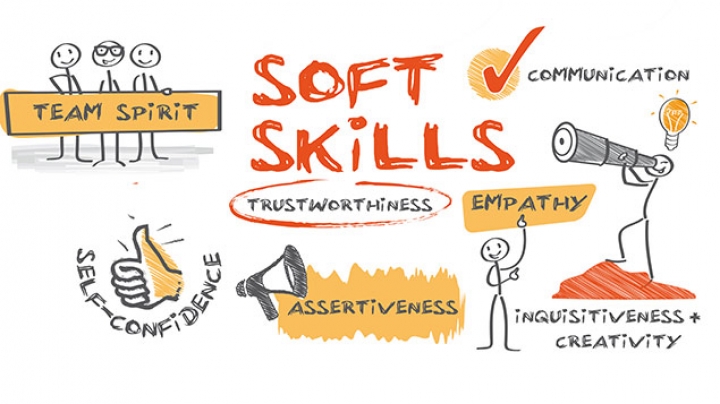




 Starting your journey at university means you are in a new environment with many individuals who may have different experiences and backgrounds. One of the best ways to overcome feelings of homesickness is to actively interact and make connections with new friends. Attending an orientation event, joining a student club or organization, or even just asking a classmate out to lunch can be a great first step. As you start to build your social network on campus, you will feel more integrated and have emotional support when you feel homesick.
 Many universities, including Universitas PGRI Yogyakarta, offer counseling services to their students. If you feel that your homesickness is interfering with your daily activities or emotional well-being, don’t hesitate to consult a counselor. They can provide guidance, advice, and specific strategies to help you overcome these feelings. Plus, they can also be a valuable source of support when you need someone to talk to.




 When faced with financial challenges, debt may seem like a solution, but it can become a problem if not managed well.